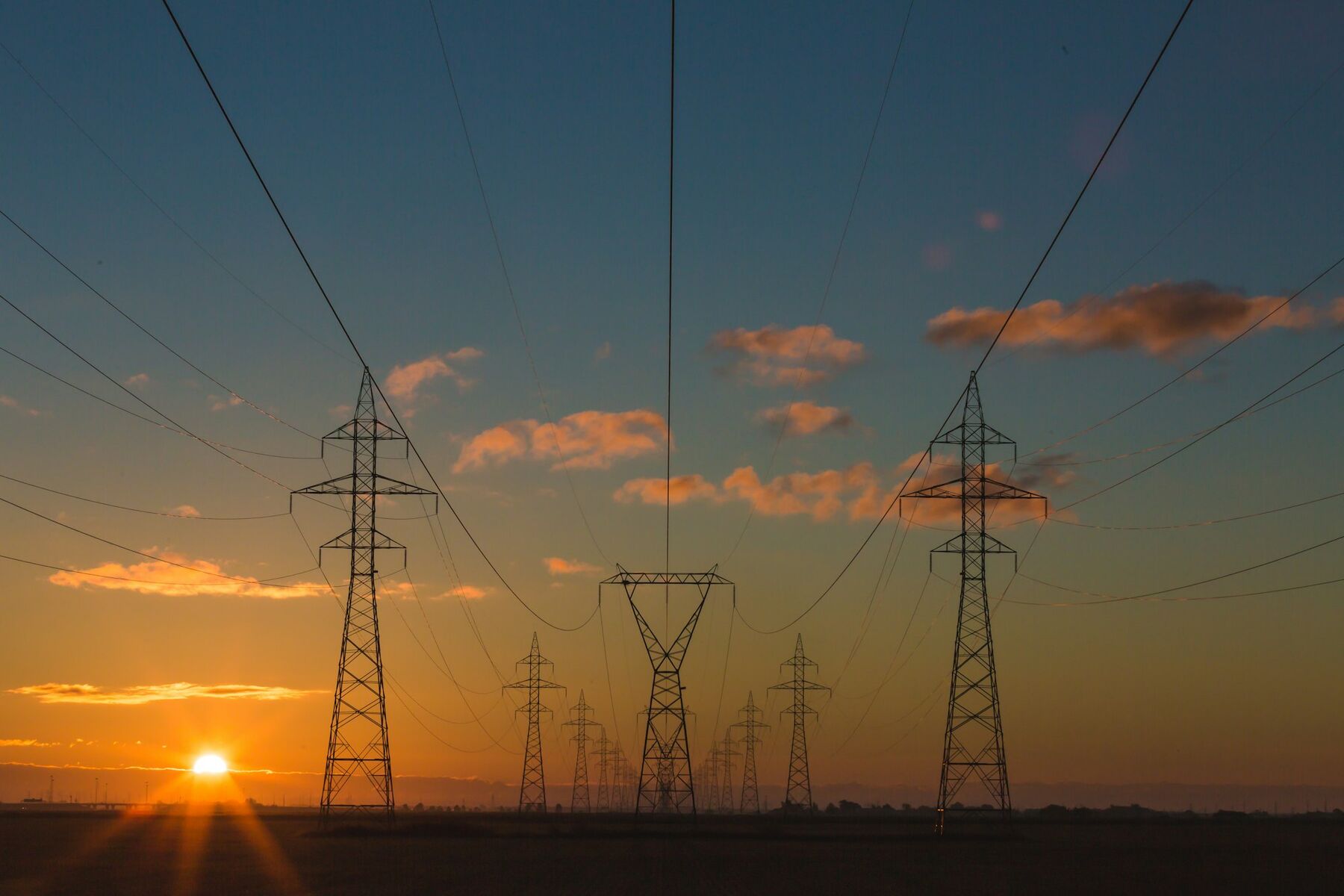
High-voltage power lines at sunset
Arena Energy — Resources — Renewable Energy Growth in Poland

Poland's renewable energy market is accelerating.

Poland is building renewable capacity faster than most of Central and Eastern Europe. For foreign investors and funds, this means one thing: the value of well-prepared, legally "clean" land is rising, and that is exactly our specialty.
01 — Installed Capacity

Nearly 39 GW of renewable capacity, and still growing

At the end of February 2026, Poland's total installed renewable capacity reached almost 39 GW, up 12.5% from a year earlier. Renewable sources today account for around 35% of the national energy mix, with a clear upward trend.

39 GW
installed renewable capacity, February 2026 (+12.5% y/y)
35%
renewables' share of the national energy mix
~50%
renewables' share of total installed capacity (early 2026)
16
voivodeships covered by active renewable energy project development
02 — Solar Power

The growth engine: around 30 GW of PV capacity

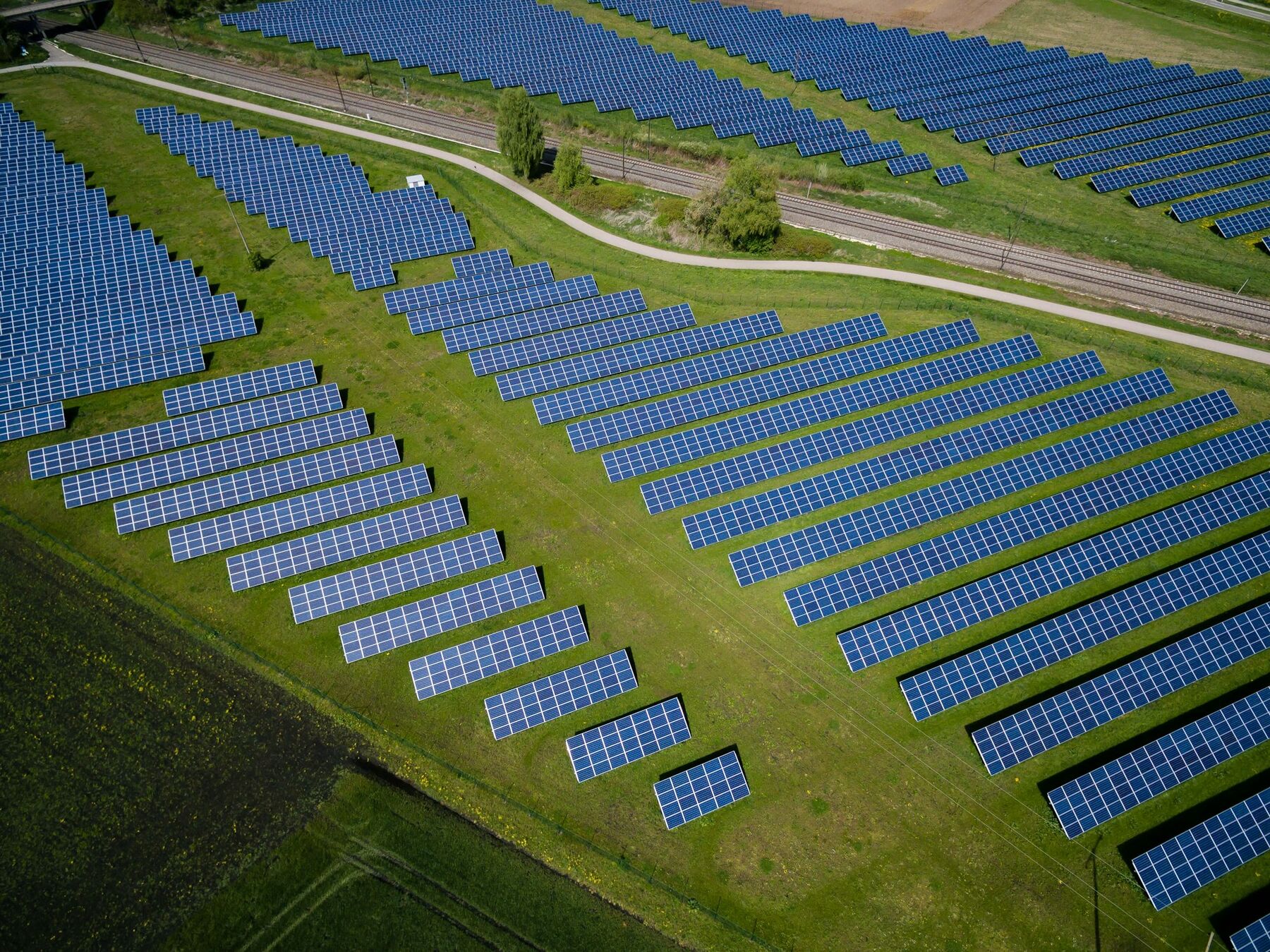
Solar power accounts for close to two-thirds of Poland's total renewable capacity. At the end of March 2026, total PV capacity approached 30 GW, of which prosumer installations (rooftop micro-installations) account for nearly 40%. The utility-scale segment, that is ground-mounted farms built on leased land, is growing in parallel, driven by falling technology costs and rising demand for green certificates and PPA agreements.

  • ~30 GW of total solar capacity in Poland (Q1 2026)
  • 66.6% share of PV in total installed renewable capacity
  • 1.2–1.5 GW of new capacity added in Q1 2026 alone
  • ~40% of PV capacity is prosumer installations; the rest is commercial and utility-scale farms
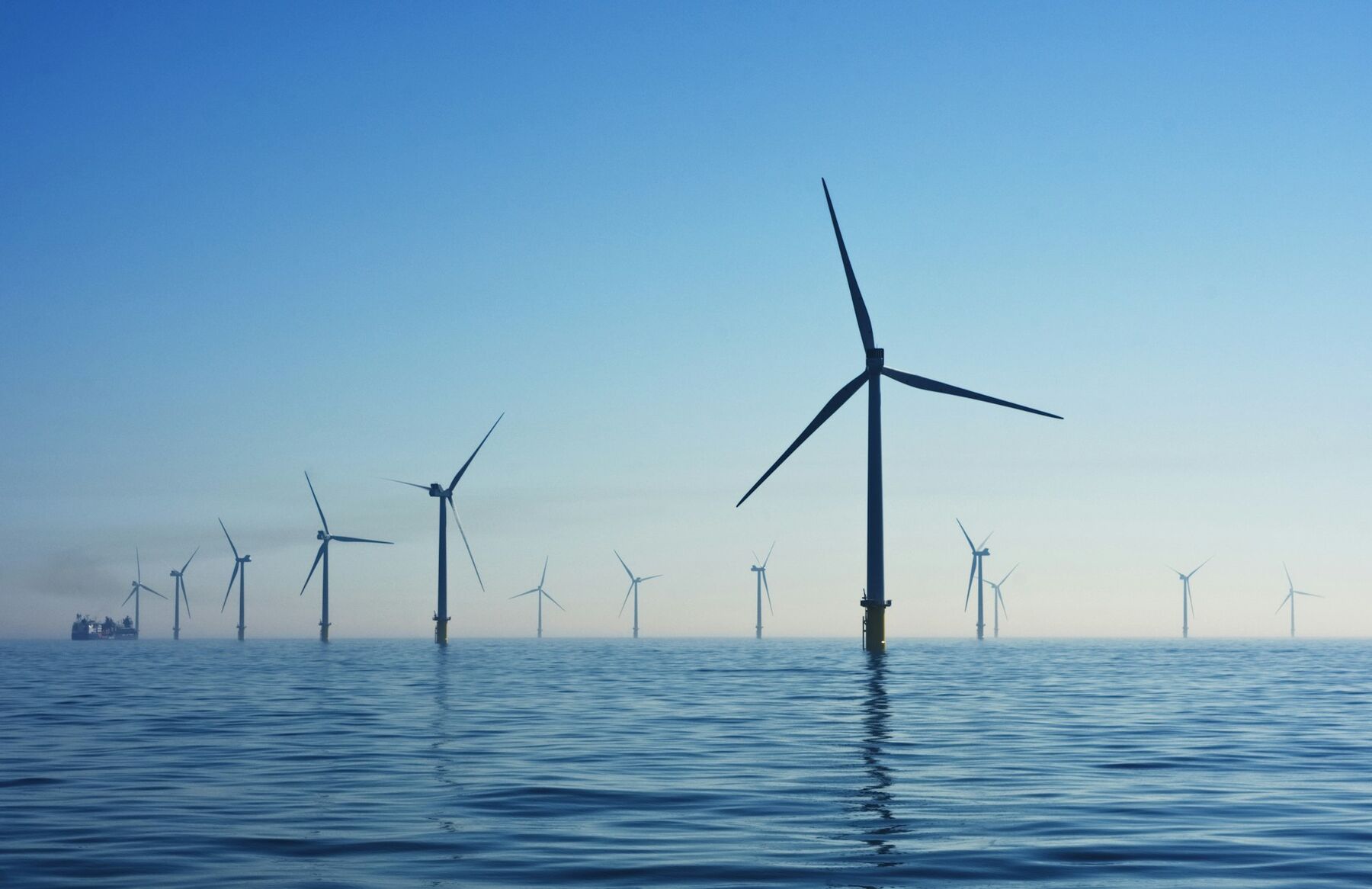
Offshore wind farm
03 — Wind Power: Onshore and Offshore

Wind is back in the game, onshore and offshore

Onshore wind power today has 10.8 GW of capacity (27.8% of the renewable mix), but for years its growth was constrained by the so-called "10H rule", a minimum distance between a turbine and buildings equal to ten times the turbine's height. A 2023 amendment unlocked new sites; the first farms built under it will come online in 2026–2028, opening a new wave of demand for wind farm land.

  • 10.8 GW of onshore wind capacity — 27.8% of Poland's renewable capacity
  • Abolition of the 10H rule (2023) opens up new sites after years of restriction (2016–2023)
  • Baltic Power (1.2 GW) — Poland's first offshore wind farm, coming online in 2026
  • 3.4 GW of capacity awarded to three projects in the first offshore auction (17 December 2025)
  • 6 GW by 2030 and 11 GW by 2040 — projected offshore capacity in Poland
04 — Energy Storage (BESS)

The fastest-growing, least developed segment

As the share of variable generation from solar and wind grows, energy storage is becoming a key element of grid stability, and Poland aims to become one of the regional leaders in this segment.

~2 GW
projected BESS capacity online by 2028
8–10 GW
target energy storage capacity in Poland by 2030
6,3 GWh
capacity contracted by R.Power alone, an example of a single player's scale
15 mld €
planned PSE investment in the transmission grid to accommodate new renewable capacity

Land for energy storage has different requirements than PV or wind farms: a smaller footprint, but higher geotechnical demands and an absolute need for proximity to a substation (GPZ). This is where the advantage of experienced land scouting is greatest: a good BESS location can be harder to find than one for a utility-scale farm.

Aerial view of a utility-scale solar farm
05 — What this means for investors

The winner is whoever secures land first.

The expansion of the transmission grid (PSE, around EUR 15 billion in investment) is ultimately meant to accommodate up to 45 GW of solar and several dozen GW of wind power, far more than is installed today. This means demand for land meeting grid-connection criteria will grow faster than the supply of well-prepared plots. Arena Energy delivers "clean land", verified legally, in planning terms, and socially, before the competition finds it.

Offer for investors and funds
Sources and Methodology

Market data compiled from publicly available industry reports and operator data for Q1–Q2 2026, including installed-capacity data published by URE (Poland's Energy Regulatory Office) and analyses of the solar, wind, and energy storage markets (including Rynek Elektryczny and industry reports on offshore wind and BESS). Figures are indicative and may vary by source and month of publication. Before making an investment decision, we recommend verifying data at the source.

← Back to Resources